Flood zones: what the letters mean
FEMA maps every property into a flood zone that describes its modeled flood risk. High-risk areas—often called Special Flood Hazard Areas, with zone designations like AE or VE—are where lenders typically require flood insurance for federally backed mortgages. Moderate- and low-risk zones do not usually trigger a lender requirement, but FEMA cautions that flood risk exists outside mapped high-risk areas.
Look up any address yourself in FEMA’s Flood Map Service Center, the official source for National Flood Insurance Program flood hazard mapping. Do this for every home you seriously consider—waterfront or not. Being inland or ‘high and dry’ by reputation is not a substitute for checking the actual address.
What a standard homeowners policy typically does not cover
A standard homeowners policy generally covers wind and many other perils, but it typically does not cover flooding—rising water from outside the home, whether from storm surge, heavy rain or an overflowing canal. That is what a separate flood policy is for, whether through the National Flood Insurance Program or a private flood insurer.
Ask your insurance professional to explain exactly where one policy stops and the other begins for a specific property: deductibles, coverage limits for the structure and contents, and any waiting periods before coverage takes effect. Do not assume you are covered because your lender did not require a flood policy—lender requirements reflect loan rules, not your actual risk.
Elevation certificates and why they matter
An elevation certificate documents a building’s elevation relative to the expected flood level for its zone. Insurers use this kind of information when pricing flood coverage, and it can meaningfully affect a premium. Some South Florida municipalities keep elevation certificates on file for properties—ask the city what is available for an address you are considering.
If a seller has an elevation certificate, ask for a copy during your document review. If none exists, your insurer or surveyor can advise on what obtaining one involves. It is one of the most useful single documents in a South Florida purchase.
Waterfront versus inland: different questions, same process
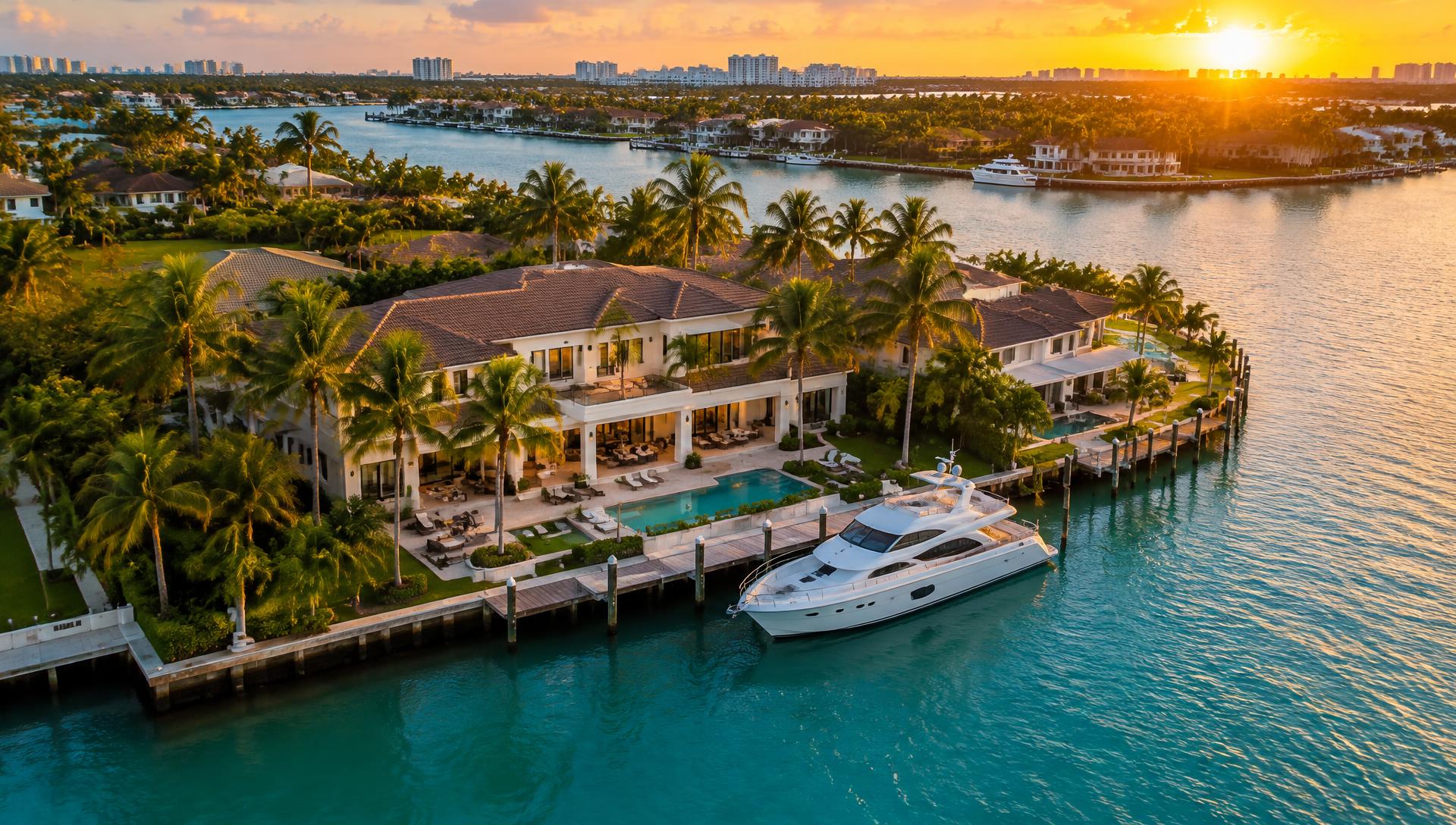
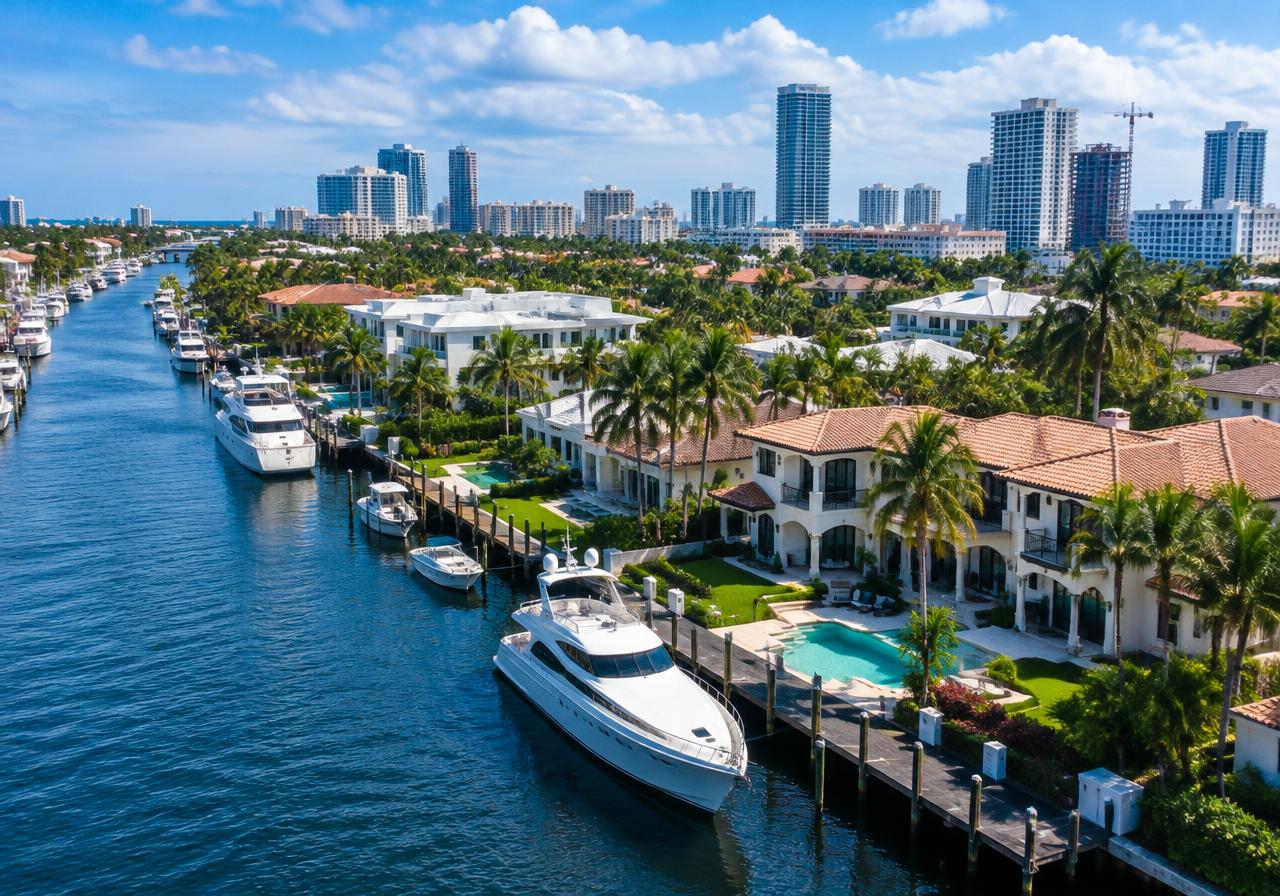
Waterfront location changes the flood conversation—storm surge and canal levels become more immediate concerns—but it does not change the process. For any property, the steps are the same: check the flood zone, ask about elevation documentation, get address-specific quotes and understand what the current owner’s policy does and does not tell you.
A neighbor’s premium or the seller’s current bill is not a reliable guide to your cost. Flood pricing depends on the property’s specific characteristics and the coverage you choose. Get your own quotes while you still have time to investigate.
What to sort out before you make an offer
Before offering on a South Florida home, assemble a short flood file: the FEMA flood zone for the address, any available elevation certificate, the seller’s flood policy declarations page if they will share it, and quotes for your own coverage. Add questions about any history of water intrusion the seller discloses.
Ask your lender early how flood insurance affects your loan, and ask your insurer how different deductibles and limits change the premium. If the home is in an association, ask what the association’s master policy covers versus what unit owners must carry. These are conversations to have before you are under contract, not during the inspection period.
- Check the FEMA flood zone for the exact address.
- Request any elevation certificate and flood policy documents.
- Get your own address-specific insurance quotes.
- Ask your lender how flood coverage affects financing.
- Confirm what any association master policy covers.
Where to go next
Flood questions are normal in South Florida, and they are answerable with the right documents and professionals. Margo Santangelo helps buyers in Pompano Beach, Fort Lauderdale and Lighthouse Point ask these questions early, so insurance never becomes a closing-week surprise.
Contact Margo with your questions, or explore the neighborhood guides on this site to continue your research.
Sources & further reading
- FEMA Flood Map Service Center — Official address-based flood hazard mapping.
- FEMA flood maps overview — Flood-risk context, including risk beyond mapped high-risk areas.
- Broward County flood maps — County flood-map resources for address-specific investigation.
General buyer information, not legal, engineering, insurance or navigation advice. Rules and conditions can change; confirm current requirements and property-specific findings with qualified professionals.
Explore the area
- Pompano Beach homes & waterfront real estate
- Lighthouse Point homes & waterfront real estate
- Fort Lauderdale homes & waterfront real estate
- Moving to Pompano Beach: The Complete Relocation Guide