
What do you actually own and maintain?
Florida DBPR’s condominium purchasing guide explains that condo ownership includes a unit and a proportionate interest in common elements. Review the governing documents to understand the line between the unit owner’s responsibilities and the association’s responsibilities. Do not assume that an association handles every window, system or repair inside your unit.
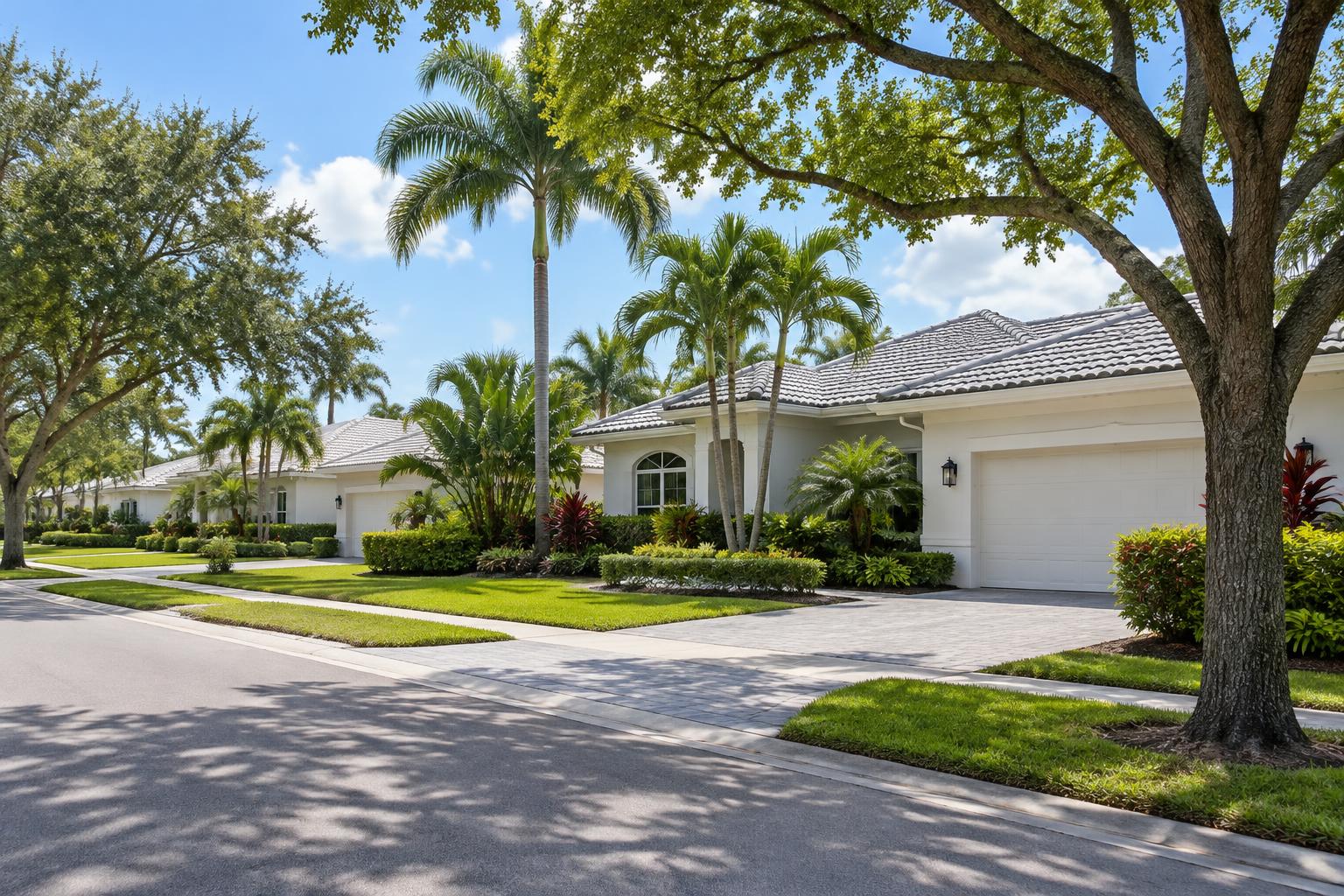
With a single-family home, investigate responsibility for the roof, exterior, landscaping, pool and other property systems. Some houses also belong to associations. Compare the actual obligations of the two properties rather than treating the words ‘condo’ and ‘house’ as complete descriptions of ownership.
Is a condo necessarily the lower-cost choice?
No blanket rule applies. Compare the purchase price with estimated taxes, insurance, utilities, association fees, repair needs and any approved assessments. For a house, include the maintenance you will arrange yourself. For a condo, review what the monthly fee covers and what it leaves to the owner.
Keep adopted assessments separate from projects or funding still being discussed. Request supporting documents and ask your attorney about responsibility for outstanding amounts under the purchase contract. A smaller asking price or lower monthly association fee does not establish the lowest total ownership cost.
- Purchase price and financing costs.
- Address-specific insurance and estimated taxes.
- Current association charges and approved assessments.
- Owner-responsibility repairs and ongoing upkeep.
- A reserve for costs that are not yet fully known.
What should a condo buyer ask beyond the unit tour?
Request the governing documents, budget, available financial statements, meeting minutes, insurance information and applicable inspection and reserve-study records. Florida DBPR provides guidance on milestone inspections and Structural Integrity Reserve Studies. These address different questions about building condition and planning for major components; their applicability depends on the building and current requirements.
Discuss technical concerns with qualified professionals and financing questions with your lender. A renovated unit cannot answer whether building work is planned, how the association intends to fund it or whether the building fits your lender’s requirements.
Which property fits a primary or seasonal home?
Think about who will check the property while you are away and what arrangements you would need for maintenance. A condo may offer shared facilities, but it still has owner obligations. A house may offer a private yard and different storage options, but you must plan for its care.
Review pets, parking, leasing, guests and renovation restrictions in current documents. If renting is part of your plan, confirm association and municipal requirements before buying; do not assume that seasonal ownership permits short-term rentals. Your intended use should drive the shortlist.
- How much private outdoor space do you need?
- Which maintenance tasks do you want to arrange yourself?
- Would parking or pet rules limit your routine?
- How will the property be cared for when you travel?
Compare location and flood information separately
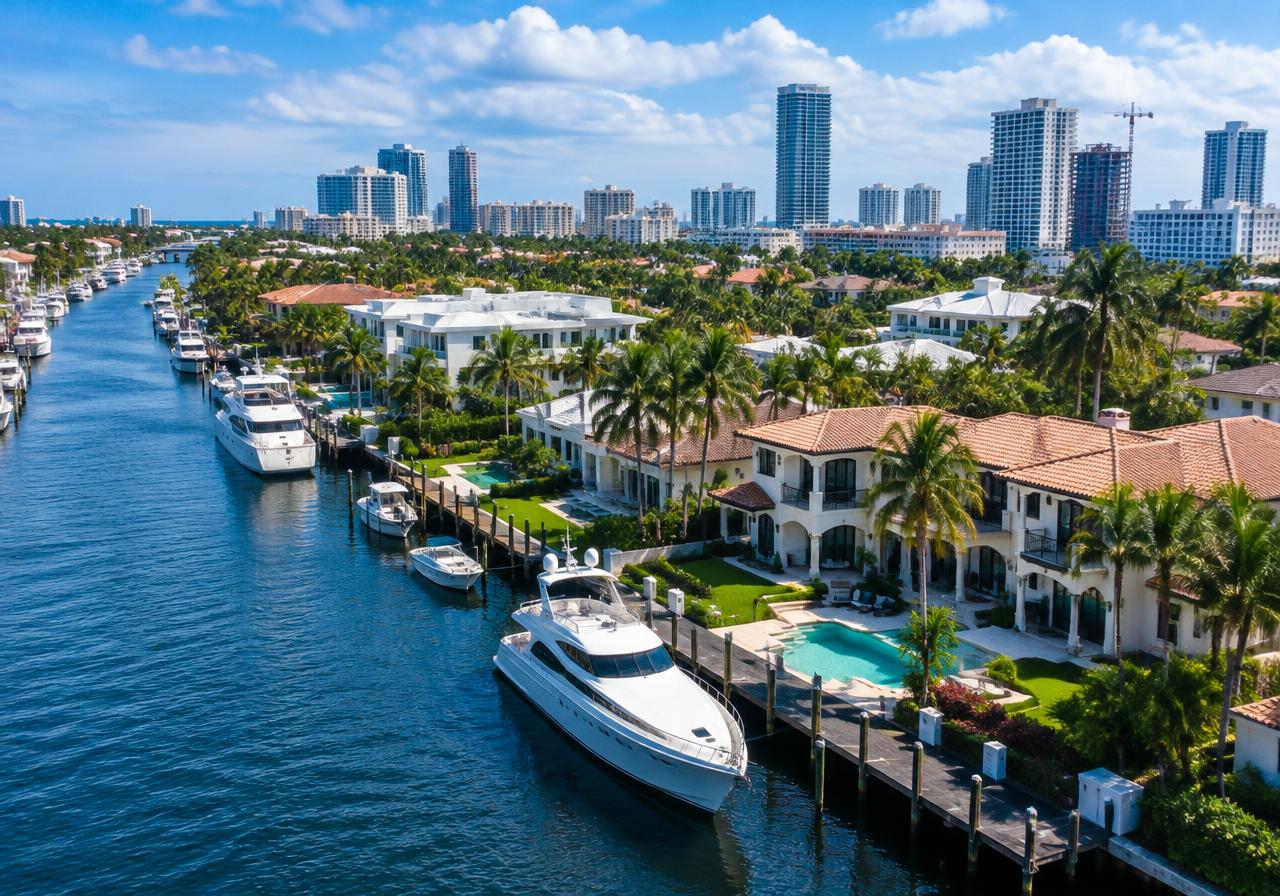
A Pompano Beach condo and a house can each be waterfront or non-waterfront. Property type alone does not establish beach access, flood exposure or travel time. Visit the specific locations, investigate the address in official flood resources and obtain appropriate insurance quotes.
Send Margo your comfortable total ownership budget, intended use, outdoor-space priorities and tolerance for association rules. Compare a real condo and a real house against that same list before deciding which ownership style to pursue.
Sources & further reading
- Florida DBPR condominium purchasing guide — Ownership structure, common elements and purchase considerations.
- Florida DBPR inspections and reserve studies — Milestone-inspection and SIRS guidance; confirm current applicability.
- Florida DBPR condominium FAQ — Association records and condominium requirements.
- Broward County flood maps — County flood-map resources for address-specific investigation.
General buyer information, not legal, engineering, insurance or navigation advice. Rules and conditions can change; confirm current requirements and property-specific findings with qualified professionals.